
20 Essential Quebecois Travel Phrases For Your Trip To Montreal

Author
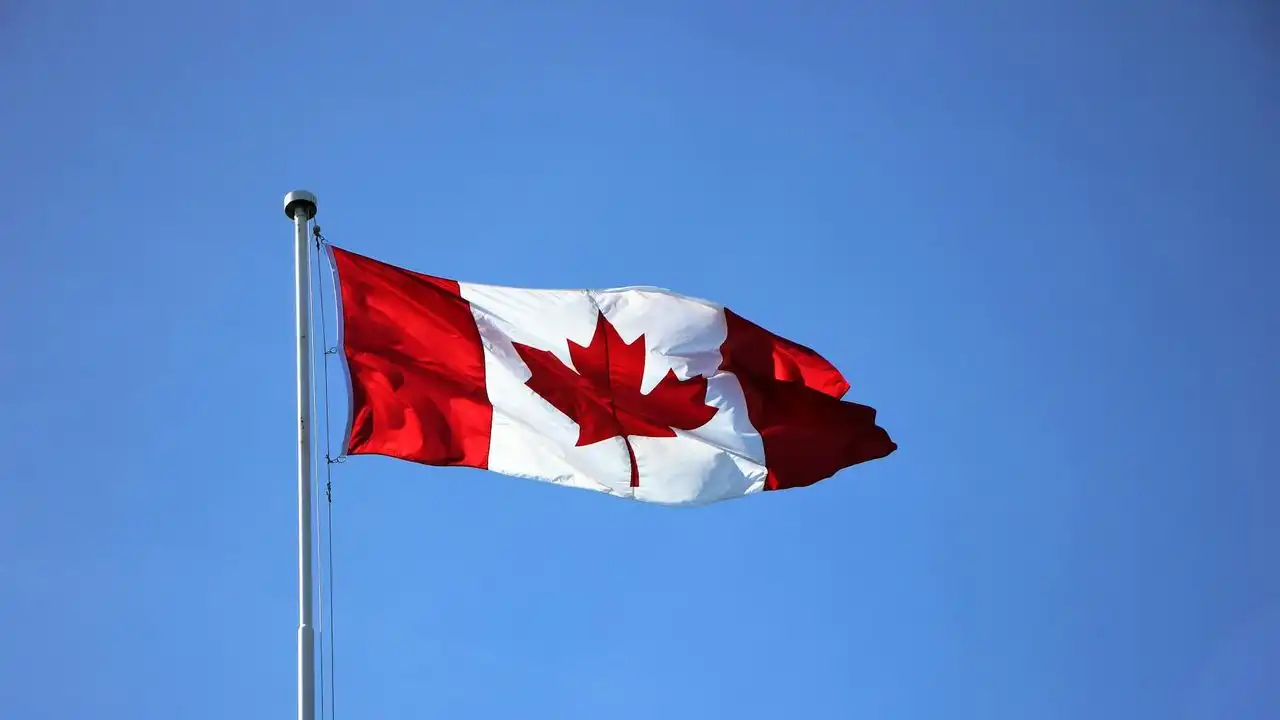
If you’re planning a trip to Montreal, you’re going to love it. From the beautiful cobblestone streets of Old Montreal to the amazing food scene, it’s an incredible city to visit.
Montreal is a very bilingual city. You’ll hear both English and French spoken everywhere. However, French is the official language of Quebec, and making an effort to speak the local language goes a long way.
Locals will instantly warm up to you if you try using a few Quebecois phrases!
Here are 20 essential Quebecois travel phrases to help you prepare for your trip. These are simple, everyday expressions that’ll help you order food, find your way around, and even sound like a true Montrealer.
Table of Contents:
Greetings and pleasantries
When you walk into any shop, café, or restaurant in Montreal, you’ll almost always be greeted by the staff. Knowing how to say hello and thank you in the local style is the best way to start a conversation.
| Quebecois phrase | English translation |
|---|---|
| 1. Bonjour / Bon matin | Hello / Good morning |
| 2. Allô | Hello / Hi (informal) |
| 3. S’il vous plaît | Please |
| 4. Un gros merci | A big thank you |
| 5. Bienvenue | You’re welcome |
In France, bonjour is used all day. But in Quebec, it’s very common to hear bon matin in the morning.
Another big difference is the word allô. In Europe, this is only used when answering the phone. In Quebecois, allô is used as a friendly, everyday way to say “hi” to someone in person.
Finally, if you say thank you (merci), a Montrealer will likely reply with bienvenue. In standard French, bienvenue only means “welcome to this place”, but in Quebec, it’s the direct translation of the English phrase “you’re welcome”.

Allô! Bon matin.
Un gros merci pour votre aide.
Getting around Montreal
Montreal has a fantastic public transit system. The underground subway is called the métro. You’ll likely use it a lot during your stay! Here are some phrases to help you ask for directions.
| Quebecois phrase | English translation |
|---|---|
| 6. C’est par où le métro? | Which way is the metro? |
| 7. Je cherche… | I’m looking for… |
| 8. À gauche / À droite | To the left / To the right |
| 9. C’est pas loin | It’s not far |
| 10. Un billet, s’il vous plaît | One ticket, please |
When you ask for directions, locals might point and say c’est par où (it’s that way). If you’re looking for a specific museum or street, just use je cherche followed by the name of the place.
Excusez-moi, c’est par où le métro?
Je cherche le musée. Est-ce que c’est à droite?
Ordering food and drinks
Montreal is world-famous for its food. Whether you’re grabbing a quick plate of poutine, a Montreal-style bagel, or dining at a fancy French restaurant, these phrases are essential.
| Quebecois phrase | English translation |
|---|---|
| 11. Une table pour deux | A table for two |
| 12. Je vais prendre… | I’ll have / I’ll take… |
| 13. Pour emporter | To go / Takeout |
| 14. La facture, s’il vous plaît | The bill, please |
When ordering your food, the most polite and common way to say “I’ll have” is je vais prendre.
If you want to take your food with you, ask for it pour emporter. (Note: In France, they say à emporter, but Quebecois uses pour).
At the end of your meal, you need to ask for the bill. Don’t ask for l’addition like they do in Europe. In Quebec, the bill is called la facture.
Je vais prendre un café pour emporter, s’il vous plaît.
La facture, s’il vous plaît.
Shopping and money
You’ll probably want to buy some souvenirs during your trip, like maple syrup! Knowing how to ask about prices and pay for your items will make checkout smooth and easy.
| Quebecois phrase | English translation |
|---|---|
| 15. Combien ça coûte? | How much does it cost? |
| 16. C’est dispendieux | It’s expensive |
| 17. Prenez-vous Interac? | Do you take debit/Interac? |
If you see something without a price tag, just ask combien ça coûte?
If it’s a bit out of your budget, you can say c’est dispendieux. This is a very common Quebecois word for “expensive” (though c’est cher is completely fine to use, too).
When it’s time to pay, you might be asked how you’re paying. Canada uses a national debit card system called Interac. If you want to pay with a debit card, you can ask if they accept Interac.
Combien ça coûte?
Prenez-vous Interac?
Fun local slang to sound like a Montrealer
Want to really impress the locals? Throw in a few of these classic Quebecois slang phrases. They’re fun to say and will definitely earn you a smile.
| Quebecois phrase | English translation |
|---|---|
| 18. C’est l’fun | It’s fun / That’s great |
| 19. C’est tiguidou | It’s awesome / It’s all good |
| 20. Pas pire | Not bad / Pretty good |
C’est l’fun is used constantly in Quebec to describe anything enjoyable.
Tiguidou is a funny, very traditional Quebecois word that means everything is perfect or awesome. If a waiter asks if your food is good, you can confidently say c’est tiguidou!
Finally, pas pire literally translates to “not worse”, but it actually means “pretty good” or “not bad at all”.
Le festival est vraiment l’fun!
Comment est votre repas? C’est pas pire!
Practicing these 20 phrases before you board your flight will make your Montreal vacation much easier and more authentic.
Bon voyage!
